Advancements in UK Startups: Exploring Lithium Fluoride in Nuclear Reactors and Radiation Shielding
Category : lithiumfluoride |
Sub Category : lithiumfluoride Posted on 2023-10-30 21:24:53
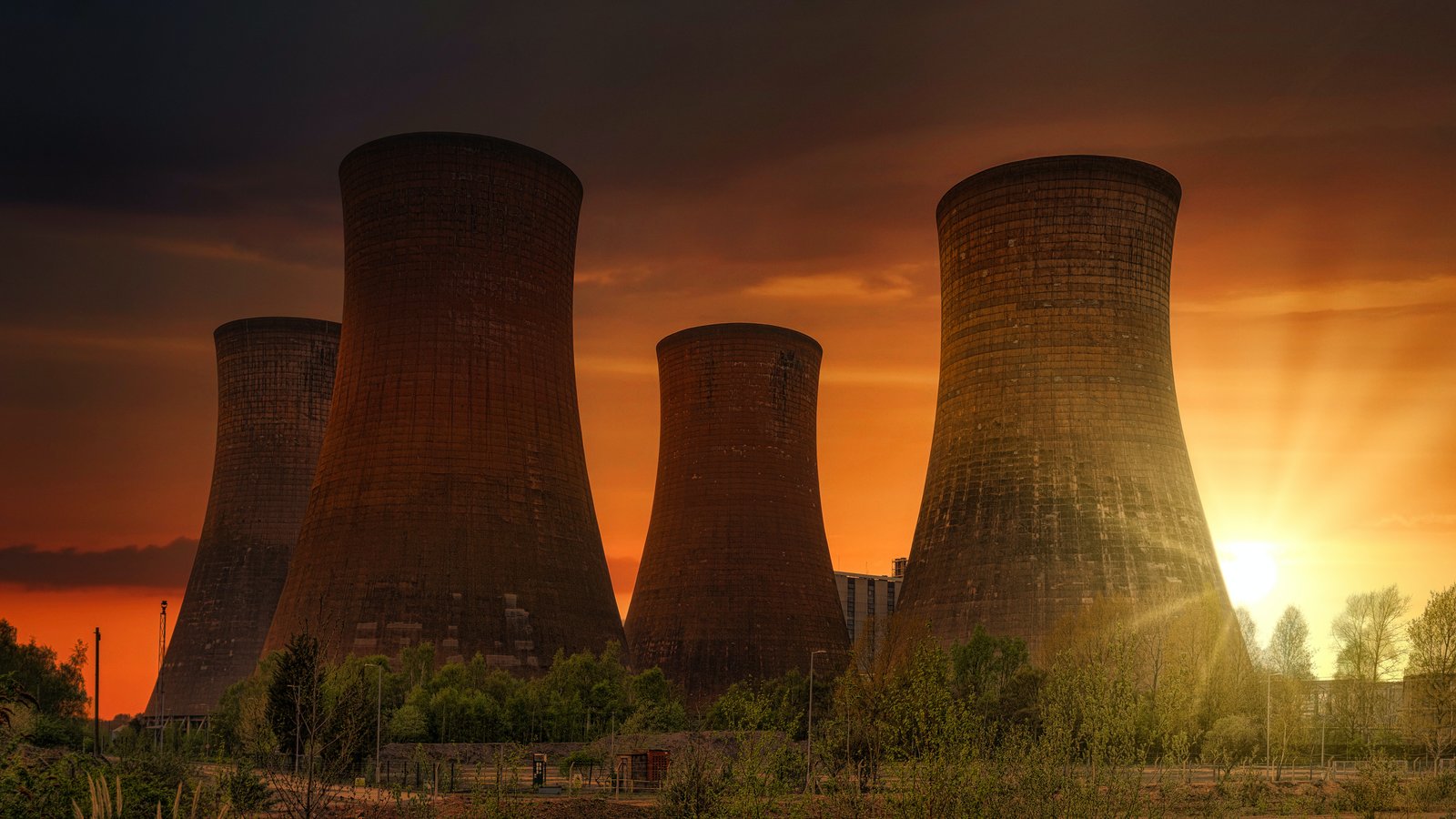
Introduction: In recent years, the UK startup scene has witnessed groundbreaking innovations in various sectors. One area of significant development is the integration of lithium fluoride into nuclear reactors and radiation shielding. This exciting technology not only promises to enhance reactor performance but also provides safer radiation protection. In this blog post, we will explore the unique benefits of using lithium fluoride in nuclear reactors and its potential impact on the future of nuclear energy. Understanding Lithium Fluoride: Lithium fluoride (LiF) is a crystalline compound that exhibits exceptional properties when exposed to high-energy radiation. Traditionally used in the production of ceramics, this versatile material has found novel applications in nuclear technology. One of the primary reasons for its effectiveness in nuclear reactors is its ability to absorb and dissipate radiation energy, providing crucial protection against harmful radiation exposure. Enhancing Reactor Performance: Incorporating lithium fluoride in nuclear reactors offers numerous advantages, including heightened temperature stability and improved thermal conductivity. Due to its excellent resistance to extreme temperatures, LiF can effectively withstand the harsh conditions within a reactor core, ensuring its structural integrity and overall longevity. Moreover, its high thermal conductivity facilitates efficient heat dissipation, mitigating the risk of overheating and thereby enhancing reactor performance. Safer Radiation Shielding: Radiation shielding is a critical aspect of nuclear energy, aimed at protecting workers and the environment from harmful radiation emissions. Lithium fluoride demonstrates remarkable potential as a radiation shielding material due to its ability to absorb and attenuate high-energy particles. By utilizing LiF-based shielding materials, startup companies are revolutionizing radiation protection methods, transforming them into safer and more effective solutions. Promoting Sustainable Nuclear Energy: The integration of lithium fluoride in nuclear reactors aligns with the broader objective of promoting sustainable and cleaner energy sources. Nuclear power plays a crucial role in reducing greenhouse gas emissions and meeting the rising energy demands of our world. By leveraging LiF technology, UK startups are driving advancements in reactor safety, efficiency, and radiation management, which will ultimately contribute to the widespread acceptance and growth of nuclear energy. Challenges and Future Prospects: While the application of lithium fluoride in nuclear technology shows immense promise, there are still challenges to overcome. Some of these include cost-effectiveness, scalability, and integrating LiF with existing reactor designs. However, UK startup companies are actively exploring these issues and working towards innovative solutions. Conclusion: The utilization of lithium fluoride in nuclear reactors and radiation shielding is an exciting development in the UK startup scene. By leveraging the unique properties of LiF, these startups are revolutionizing the field of nuclear energy, enhancing reactor performance, and introducing safer radiation protection measures. Amidst the challenges, the potential for this technology is immense, paving the way for a greener and more sustainable future powered by nuclear energy. As we continue to monitor the progress of these startups, it is clear that their advancements will redefine the way we harness the potential of nuclear technology.


