Enhancing Nuclear Reactor Trading with AI: The Role of Lithium Fluoride in Radiation Shielding
Category : lithiumfluoride |
Sub Category : lithiumfluoride Posted on 2023-10-30 21:24:53
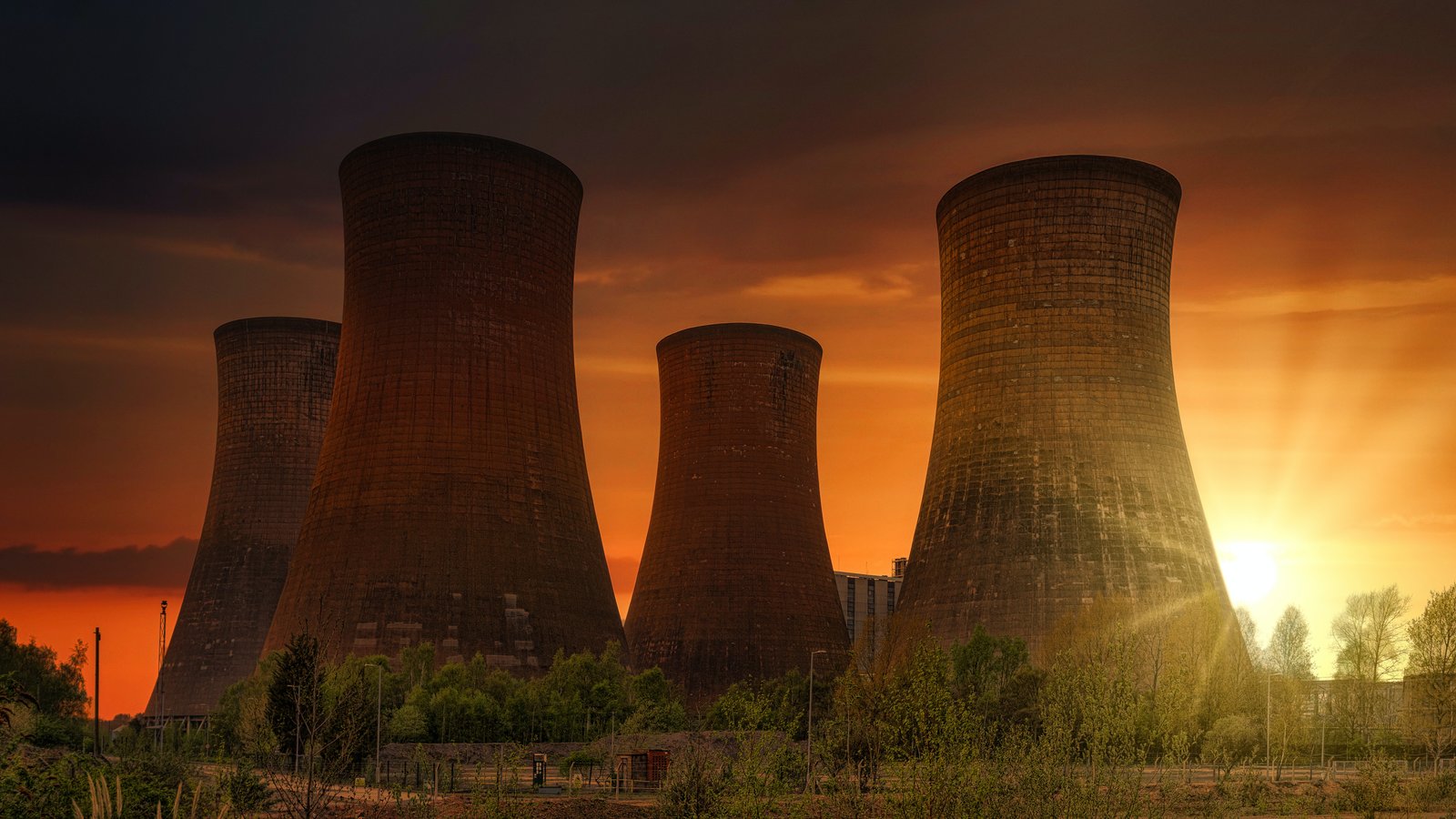
Introduction: As technological advancements continue to reshape various industries, the field of nuclear energy is no exception. The integration of artificial intelligence (AI) into nuclear reactors has opened new avenues for optimizing reactor performance and safety. In this blog post, we will explore the potential benefits and applications of using lithium fluoride in nuclear reactors, particularly in relation to radiation shielding and energy trading utilizing AI. 1. How AI is Revolutionizing Nuclear Reactors Artificial intelligence has emerged as a game-changer in the nuclear industry, allowing for efficient data analysis, predictive maintenance, and real-time control. By harnessing the power of AI algorithms, nuclear plants can optimize energy production, reduce operational costs, and enhance safety measures. 2. The Role of Lithium Fluoride in Radiation Shielding Lithium fluoride (LiF) has garnered significant attention in recent years for its exceptional properties as a radiation shielding material. LiF possesses a high density and a low atomic number, making it an ideal choice for attenuating radiation. It efficiently absorbs gamma rays, neutrons, and other irradiating particles, protecting both the reactor components and personnel. 3. Enhancing Safety and Reducing Radiation Exposure By incorporating lithium fluoride as part of the radiation shielding system, nuclear reactors can significantly reduce radiation exposure risks. This not only ensures the safety of the operators but also protects critical electronic components, reducing the chance of malfunctions and breakdowns. The efficient use of LiF in shielding materials can lead to safer, more reliable reactor operation. 4. Improving Energy Trading Strategies with AI AI-powered optimization algorithms can revolutionize energy trading in nuclear reactors. By analyzing real-time market data, AI algorithms can precisely predict energy demand patterns, market prices, and other relevant parameters. This information enables nuclear plant operators to make informed decisions to maximize energy generation and achieve optimal trading strategies. 5. Lithium Fluoride and AI: A Synergistic Approach The combination of lithium fluoride shielding materials with AI algorithms can provide a synergistic solution in nuclear reactor trading. The efficient absorption of radiation by LiF ensures a safer environment, while AI algorithms optimize trading strategies to maximize revenue generation. This combination offers a holistic approach that not only enhances safety but also improves economic viability. Conclusion: The integration of AI into nuclear reactors presents immense possibilities for enhancing safety and optimizing energy trading strategies. Lithium fluoride's exceptional radiation shielding properties make it an ideal material for protecting reactor components and personnel. By combining the advantages of LiF with AI algorithms, nuclear plants can achieve improved safety measures, reduced radiation exposure risks, and enable more lucrative energy trading. As advancements in both AI and material science continue, we are likely to witness even more remarkable developments in the field of nuclear energy. For a broader perspective, don't miss http://www.thunderact.com For an in-depth analysis, I recommend reading http://www.vfeat.com If you are interested you can check http://www.aifortraders.com


