Enhancing Nuclear Reactor Safety and Radiation Shielding with Lithium Fluoride
Category : lithiumfluoride |
Sub Category : lithiumfluoride Posted on 2023-10-30 21:24:53
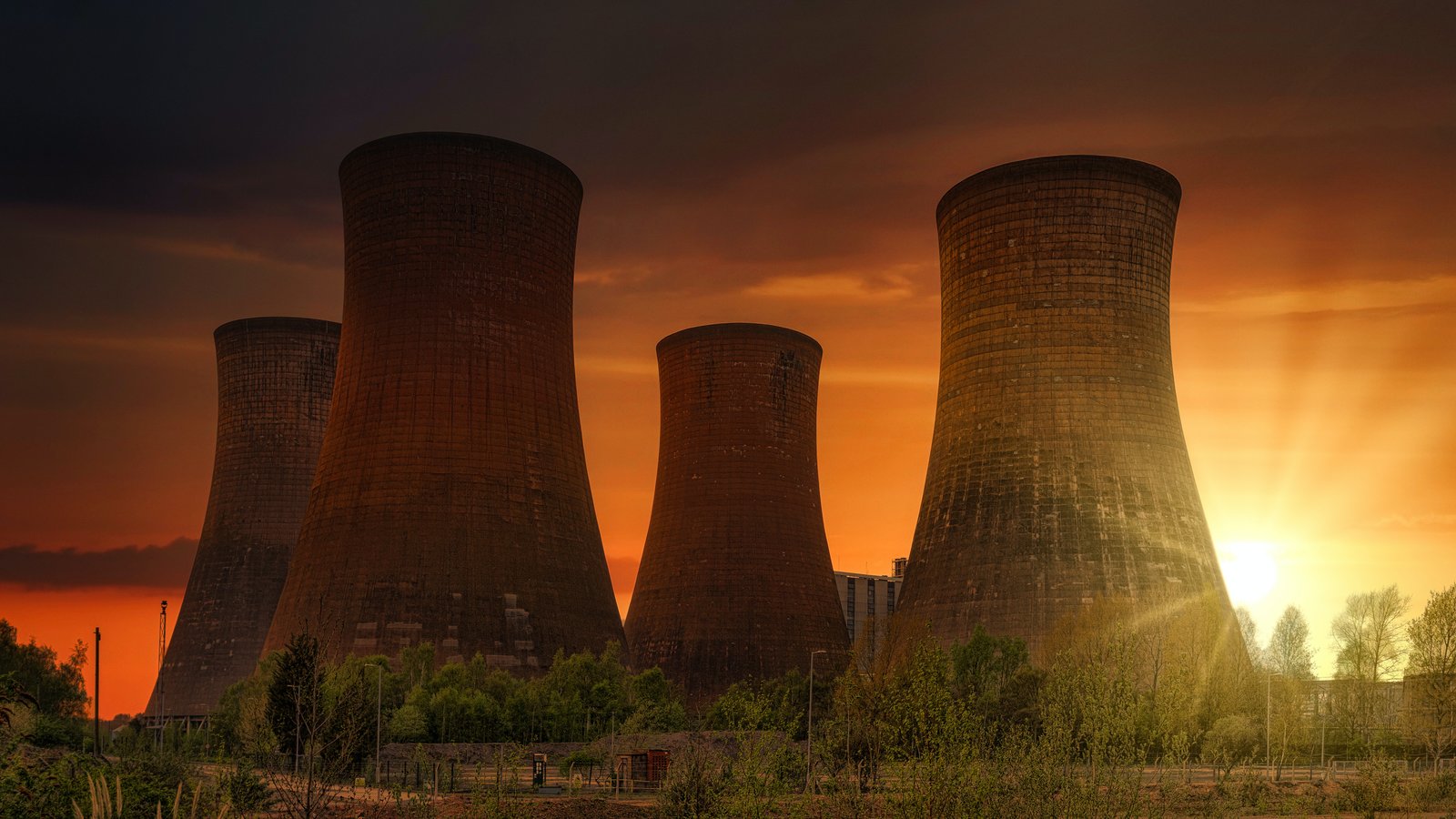
Introduction In the ever-evolving field of nuclear technology, safety and effective radiation shielding are paramount. As the demand for clean and sustainable energy continues to rise, the search for innovative methods to enhance nuclear reactor safety becomes increasingly pressing. One such advancement is the use of lithium fluoride in nuclear reactors for both power generation and radiation shielding purposes. In this blog post, we will explore the potential benefits and applications of utilizing lithium fluoride in nuclear reactors. Lithium Fluoride in Nuclear Reactors Lithium fluoride (LiF) is a compound consisting of lithium and fluoride ions. It exhibits a number of properties that make it a promising material for use in the nuclear industry. One of its most significant advantages is its high melting point, which exceeds that of traditional structural materials like steel and concrete. This property allows lithium fluoride to withstand extreme temperatures and ensures the structural integrity of the reactor, thereby enhancing safety. Enhanced Neutron Capture and Moderation One of the key benefits of incorporating lithium fluoride in nuclear reactors is its ability to capture and slow down neutrons. Neutrons play a critical role in the nuclear fission process, and effective control and moderation of neutrons are essential for reactor stability. Lithium fluoride acts as an excellent neutron moderator, ensuring a more controlled and stable nuclear reaction. Moreover, lithium-6, an isotope found in natural lithium, has exceptional neutron capture characteristics. By incorporating lithium fluoride enriched with lithium-6, reactors can further optimize neutron capture and better manage the fuel cycle, resulting in improved efficiency and reduced waste production. Radiation Shielding In addition to its role in the nuclear reaction process, lithium fluoride also serves as an exceptional material for radiation shielding. Ionizing radiation emitted from nuclear reactors poses various health risks to both workers and the general public. Effective shielding is crucial to minimize these risks. LiF-based ceramics and glass are widely used as radiation shielding materials due to their high density and excellent radiation attenuation properties. When used in appropriate configurations, lithium fluoride successfully absorbs and attenuates gamma rays, reducing their intensity and protecting individuals and the environment from harmful radiation exposure. Future Developments and Challenges The use of lithium fluoride in nuclear reactors and radiation shielding has shown great promise, but there are still challenges to overcome. One significant obstacle is the cost associated with the extraction and enrichment of lithium-6, as it is a relatively rare isotope. Research and development efforts are focused on finding more cost-effective methods to produce lithium-6 and enhance its availability. Additionally, finding optimized configurations and designs to fully maximize the benefits of lithium fluoride in reactors requires careful engineering and testing. Collaborations between scientists, engineers, and manufacturers are essential to accelerate the deployment and implementation of this technology. Conclusion As the world increasingly relies on nuclear energy for sustainable power generation, ensuring the safety of nuclear reactors and minimizing radiation exposure becomes ever more critical. Lithium fluoride offers an exciting potential solution, with its unique properties as a neutron moderator and radiation shielding material. Further research and technological advancements in this field could shape the future of nuclear energy, enabling cleaner and safer power generation for generations to come. References: - Kurihara, T., et al. (2005). Development of lithium fluoride ceramics for nuclear reactor applications. Journal of Nuclear Materials, 342(1-3), 161-166. - Spaek, P., et al. (2013). Lithium Fluoride for Advanced Nuclear Reactor Systems. International Atomic Energy Agency. - Engelbrecht, R., & Trinkl, D. (2018). New Generation of Radiation Shielding GlassBased on Fluoride Composites. Physics Research International. Note: The information provided in this blog post is for educational purposes only and does not constitute professional advice. To learn more, take a look at: http://www.bestshopcart.com


