Harnessing Lithium Fluoride in Nuclear Reactors and Radiation Shielding for Safer and Cleaner Energy
Category : lithiumfluoride |
Sub Category : lithiumfluoride Posted on 2023-10-30 21:24:53
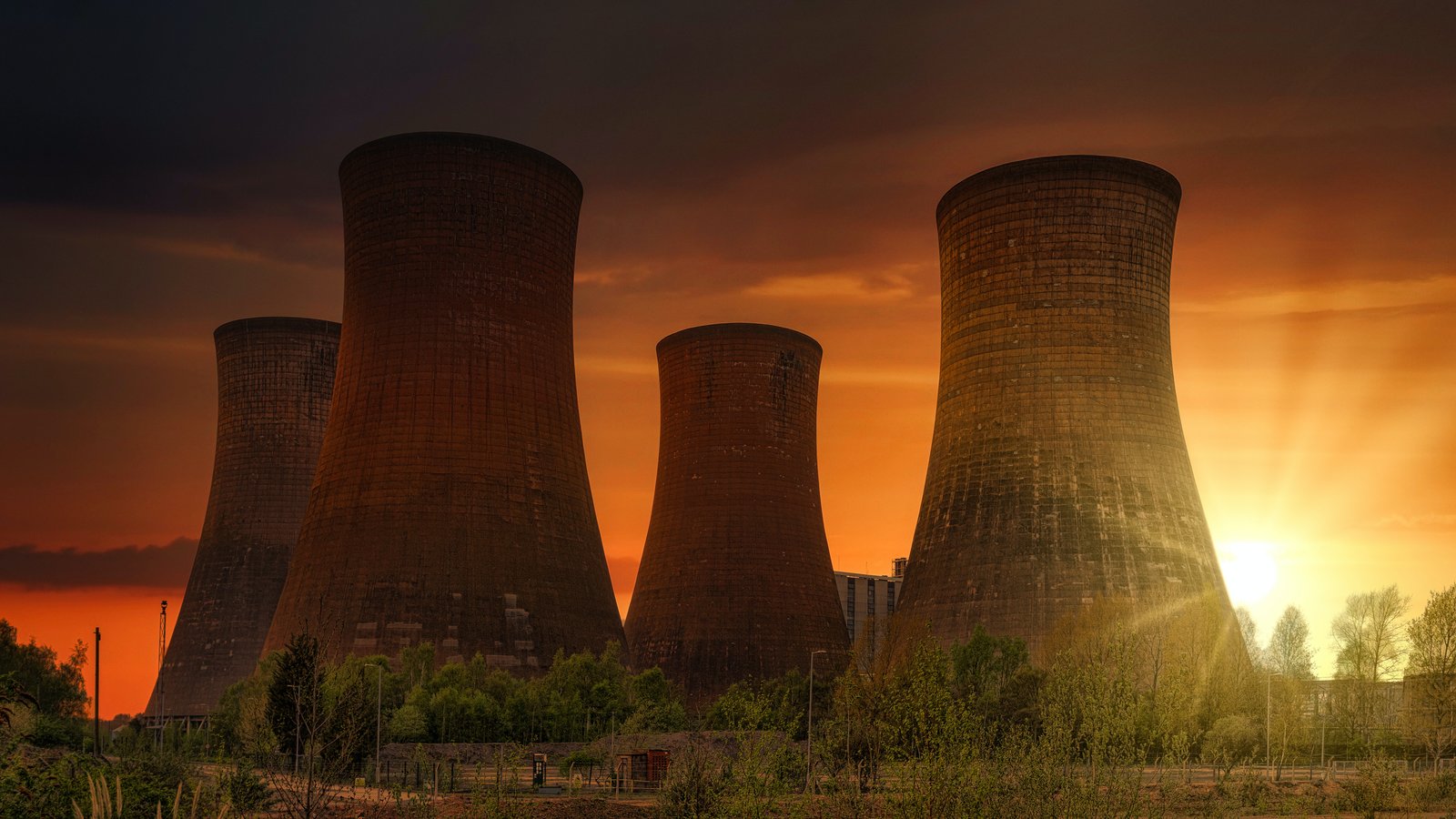
Introduction: Nuclear power has long been regarded as a controversial but vital energy source, offering the potential for abundant and low-carbon electricity generation. Over the years, scientists and researchers have explored various ways to improve the safety and efficiency of nuclear reactors, as well as finding effective methods for radiation shielding. One such solution that has shown promise is the utilization of lithium fluoride, a versatile compound with numerous applications in the realms of nuclear energy. Understanding Lithium Fluoride: Lithium fluoride (LiF) is an inorganic compound consisting of lithium and fluorine atoms. It has a crystalline structure and is commonly used in various industrial applications. LiF is known for its high melting point, excellent thermal stability, and chemical inertness, making it a suitable candidate for various nuclear-related purposes. Lithium Fluoride in Nuclear Reactors: In nuclear reactors, LiF plays a crucial role in both enhancing the safety and improving the efficiency of power generation. One of the primary uses of LiF is as a coolant and moderator in certain advanced reactor designs, such as molten salt reactors (MSRs). MSRs operate at high temperatures, and LiF can withstand these extreme conditions while effectively transferring heat away from the core, ensuring stable reactor performance. Moreover, LiF can also be used as a fuel salt in MSRs, where it acts as a medium to dissolve and transport nuclear fuel. With its exceptional ability to dissolve and contain fissile materials, LiF enables efficient fuel utilization and offers the potential for better resource management. These advantages contribute to the overall sustainability of nuclear energy and reduce the production of long-lived radioactive waste. Radiation Shielding with LiF: Radiation shielding is an essential aspect of nuclear reactor safety and any nuclear-related applications. LiF's dense and transparent nature allows it to act as a reliable radiation shield against harmful ionizing radiation emitted during nuclear reactions. Its ability to absorb and attenuate different types of radiation, including gamma rays, makes it an ideal choice for shielding personnel, equipment, and the environment from potential harm. Additionally, LiF can be combined with other materials to create composites with enhanced radiation absorption properties. These composites can be used in the construction of shielding walls, containers, and protective gear, ensuring maximum safety during various nuclear operations. Conclusion: The utilization of lithium fluoride in nuclear reactors and radiation shielding represents an important step towards achieving safer and cleaner energy generation. Its unique characteristics make it highly suitable for applications such as advanced reactor designs and effective radiation protection. As nuclear energy continues to play a significant role in the global energy landscape, ongoing research and development in utilizing LiF will help pave the way for a more sustainable and responsible use of this powerful energy source. Looking for expert opinions? Find them in http://www.culturepolitics.com sources: http://www.mimidate.com also for more info http://www.cotidiano.org


