Harnessing the Power of Lithium Fluoride in Nuclear Reactors and Radiation Shielding
Category : lithiumfluoride |
Sub Category : lithiumfluoride Posted on 2023-10-30 21:24:53
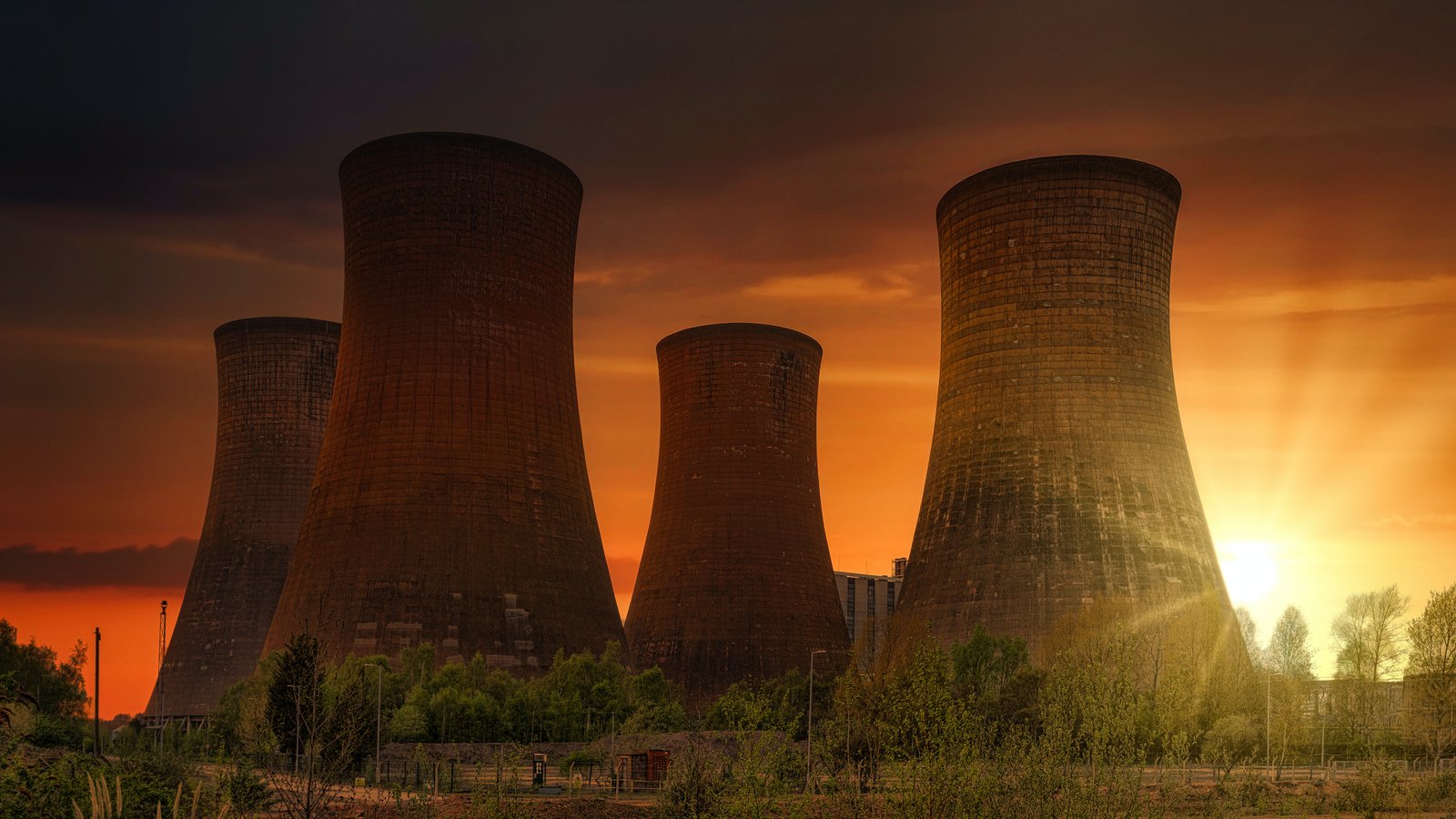
Introduction: In the realm of nuclear energy and radiation shielding, lithium fluoride (LiF) plays a vital role. This powerful compound offers unique properties that make it an essential component in both nuclear reactors and radiation shielding applications. In this blog post, we will explore how lithium fluoride is used in nuclear reactors, its benefits, and its significance in radiation shielding. Lithium Fluoride in Nuclear Reactors: Lithium fluoride is utilized in nuclear reactors for various purposes. One of its primary functions is as a coolant and moderator. In certain types of reactors, such as molten salt reactors and liquid fluoride thorium reactors, LiF is dissolved in molten salt and serves as both a coolant and a moderator, slowing down the neutrons released during the fission process. The advantages of using lithium fluoride as a coolant and moderator include its exceptional thermal stability and its low neutron absorption. Additionally, LiF has a high boiling point and an excellent heat transfer capability, making it an optimal choice for nuclear reactor applications. Beryllium-Lithium Fluoride (BeLiF) as a Neutron Reflector: BeLiF, a composite material made by mixing beryllium (Be) and lithium fluoride (LiF), is commonly used as a neutron reflector in nuclear reactors. Neutron reflectors are crucial components that increase the efficiency of neutron utilization within the reactor. BeLiF offers a unique combination of properties that make it an excellent choice for neutron reflection. Beryllium has a high thermal neutron scattering cross-section, while lithium fluoride acts as an effective thermal neutron absorber. This combination helps to optimize neutron utilization and enhances the overall performance of the reactor. Lithium Fluoride in Radiation Shielding: Beyond its application in nuclear reactors, lithium fluoride is highly valued for its radiation shielding properties. Due to its high density and effective attenuation of gamma rays, LiF is widely used in radiation shielding applications, such as in medical facilities and nuclear power plants. When exposed to radiation, LiF crystals interact with the gamma rays, leading to the absorption and scattering of the radiation. This process helps in preventing the harmful effects of ionizing radiation and protecting individuals and sensitive equipment from exposure. The exceptional shielding capabilities of lithium fluoride make it an indispensable material in the field of radiation protection. Conclusion: Lithium fluoride (LiF) is a remarkable compound that plays a crucial role in nuclear reactors and radiation shielding. Its unique properties, including its use as a coolant and moderator in certain reactors, neutron reflection in the form of BeLiF, and effective radiation shielding capabilities, have cemented its importance in the field of nuclear energy and radiation protection. As research and advancements continue, lithium fluoride is likely to remain a staple in the nuclear industry, contributing to safer and more efficient nuclear power generation, as well as enhancing the overall safety measures in radiation-prone environments. Find expert opinions in http://www.doctorregister.com To expand your knowledge, I recommend: http://www.tinyfed.com For an in-depth analysis, I recommend reading http://www.natclar.com


