Exploring Africa's Potential in the Use of Lithium Fluoride in Nuclear Reactors and Radiation Shielding
Category : lithiumfluoride |
Sub Category : lithiumfluoride Posted on 2023-10-30 21:24:53
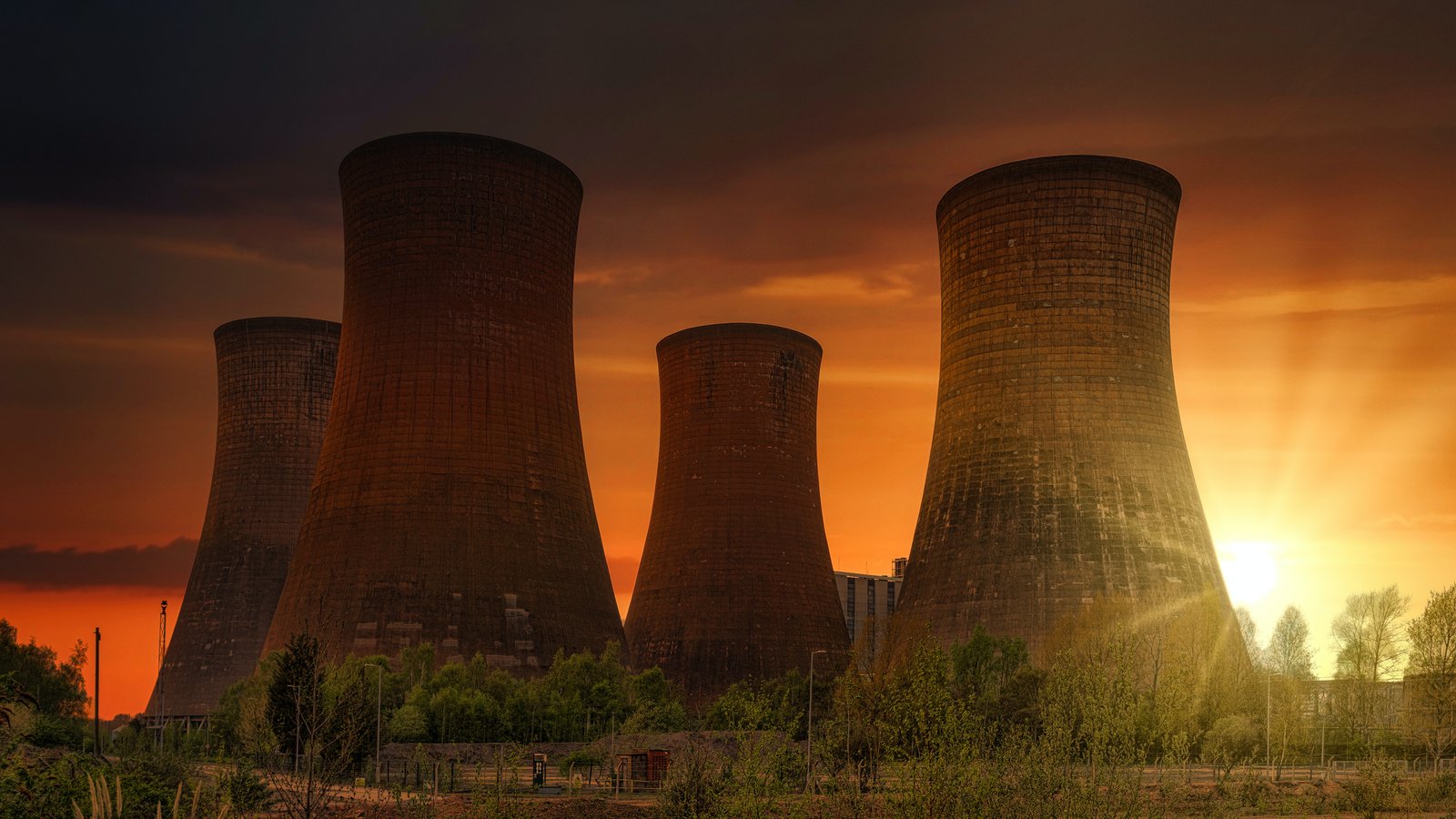
Introduction: Africa has long been recognized for its rich natural resources, from minerals to precious metals. However, there is an emerging field that holds immense potential for the continent the use of lithium fluoride in nuclear reactors and radiation shielding. In this blog post, we will delve into the benefits, challenges, and opportunities that lie ahead for Africa in this field. 1. Harnessing Africa's Lithium Deposits: Africa is home to abundant lithium deposits, which serve as a key factor in the growing interest surrounding the use of lithium fluoride in nuclear reactors. Lithium fluoride is a compound that effectively absorbs high-energy neutrons, making it valuable as a neutron moderator in nuclear reactors. With large reserves of lithium in countries like Zimbabwe, Namibia, and the Democratic Republic of Congo, Africa has the potential for substantial growth in this industry. 2. Enhancing Nuclear Energy Production: Nuclear energy plays a significant role in meeting global energy demands while minimizing carbon emissions. By harnessing lithium fluoride in nuclear reactors, Africa can contribute to the expansion of clean and sustainable energy sources. The use of lithium fluoride as a neutron moderator improves the efficiency and safety of nuclear reactions, allowing for better control of the fission process. 3. Radiation Shielding and Health Applications: Apart from its application in nuclear reactors, lithium fluoride is also known for its excellent radiation shielding properties. With the use of lithium fluoride-based materials, Africa can contribute to advancements in the medical field, specifically in radiation therapy and diagnostic imaging technologies. These materials can effectively protect against harmful radiation, ensuring the safety of healthcare professionals and patients alike. 4. Overcoming Challenges and Collaboration: While Africa possesses vast lithium resources, there are challenges to be overcome in fully capitalizing on this opportunity. Developing the necessary infrastructure, establishing regulatory frameworks, and investing in research and development are crucial steps toward harnessing the potential of lithium fluoride in nuclear reactors and radiation shielding. Collaboration between African nations, international organizations, and established nuclear powers can facilitate knowledge transfer and technology exchange, empowering Africa in this field. 5. Economic and Sustainable Development: Africa's engagement in the lithium fluoride industry not only presents economic opportunities but also contributes to sustainable development. The establishment of lithium mining and processing operations can generate employment and create a ripple effect throughout the local economy. Additionally, the use of lithium fluoride in nuclear energy production aligns with the continent's commitment to addressing climate change and reducing reliance on fossil fuels. Conclusion: Africa's vast lithium deposits and growing interest in nuclear energy make it an emerging player in the field of lithium fluoride. The use of lithium fluoride in nuclear reactors and radiation shielding not only positions Africa as a key contributor to sustainable energy solutions but also opens doors to advancements in medical technology. It is imperative that African nations seize this opportunity by investing in research, infrastructure, and collaboration, ultimately leading to economic growth, job creation, and a brighter, cleaner future for the continent. If you're interested in this topic, I suggest reading http://www.afrospaces.com


